Thomson and the Center for News, Technology and Innovation (CNTI) convened a two-day workshop in Sarajevo bringing together more than 35 journalists, editors, product leads and innovators from across the Western Balkans and Central Europe. It was the second collaboration between the two organisations, designed to explore how AI is reshaping newsroom practice and how journalists in the region are adapting.
Participants described AI as an enabler rather than a shortcut and conversations ranged from AI-supported verification in a crowded information environment to the growing need for transparency and clear audience communication around AI use. Newsrooms shared examples of how they are using the technology to improve workflows, support data analysis and reach new audiences. Others voiced concerns about costs, implementation, skills gaps and uneven levels of adoption within teams.
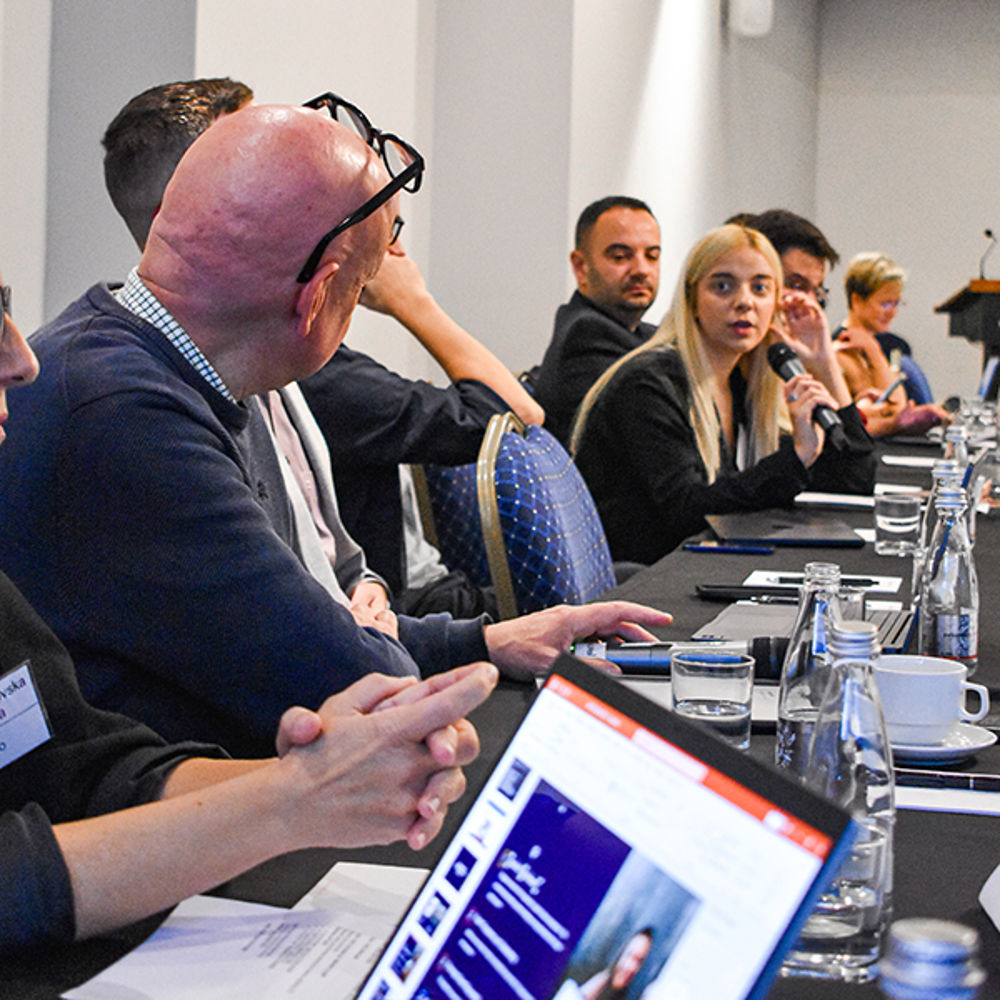
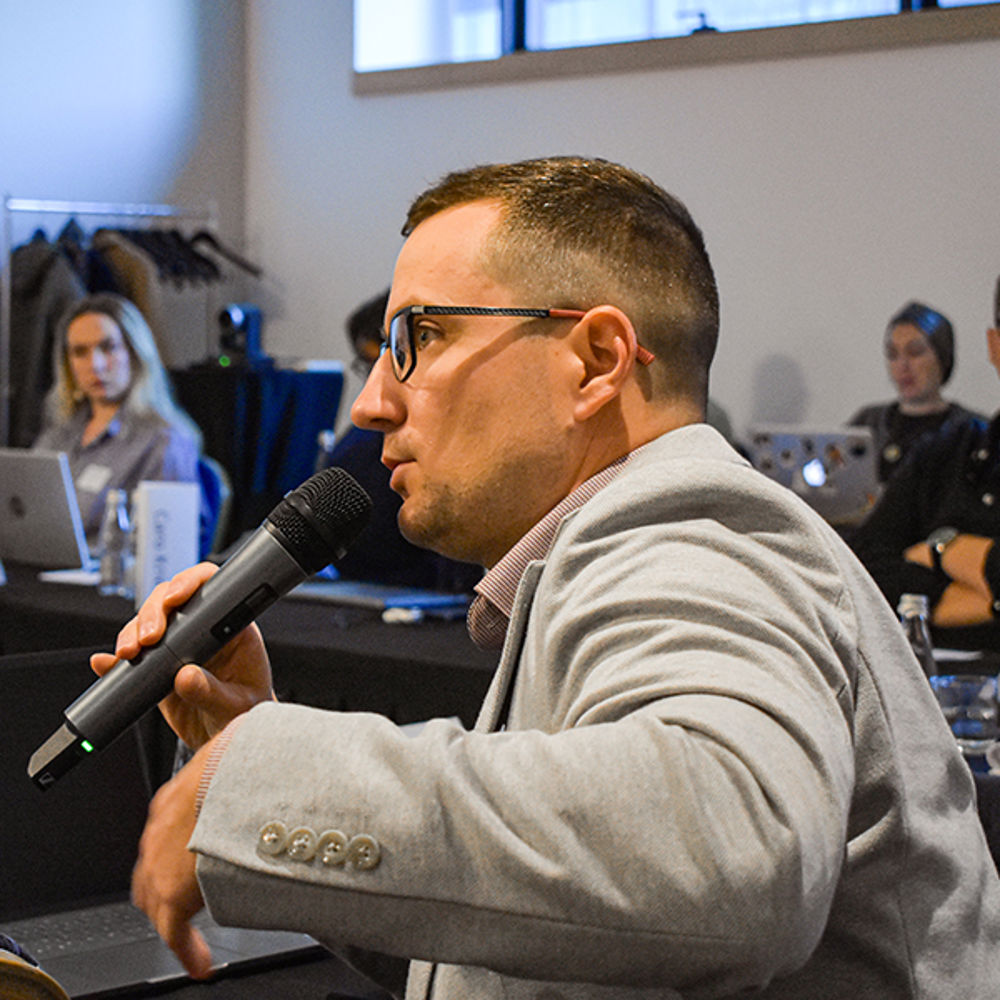
The event set out a realistic picture of the pressures facing independent media in the region, from regulatory uncertainty to shrinking resources, while also highlighting ingenuity. Case studies ranged from custom tools for data investigation and hate-speech moderation to creative uses of AI for storytelling and audience engagement, often developed by small teams working with limited budgets.
Our sector cannot afford to ignore AI, but nor can we afford to adopt it without strong principles.
“Our sector cannot afford to ignore AI, but nor can we afford to adopt it without strong principles,” said Thomson’s Chief Executive Caro Kriel. “What we saw in Sarajevo was a commitment to experimentation that is rooted in ethics. AI can strengthen journalism, but only when journalists remain in control of the choices that shape their work.”
To read the full CNTI-Thomson Media report on the insights from the workshop, including how participants are approaching innovation, audience trust and the policy environment surrounding AI, please click here.
Images credit: Kayla Goodson/CNTI
