Environmental journalism: Why local matters
Local journalists have a unique role to play in changing the narrative around the world's environmental breakdown and becoming an essential part of the solution. Our series of free environmental journalism courses help journalists tackle the big issues facing our planet.
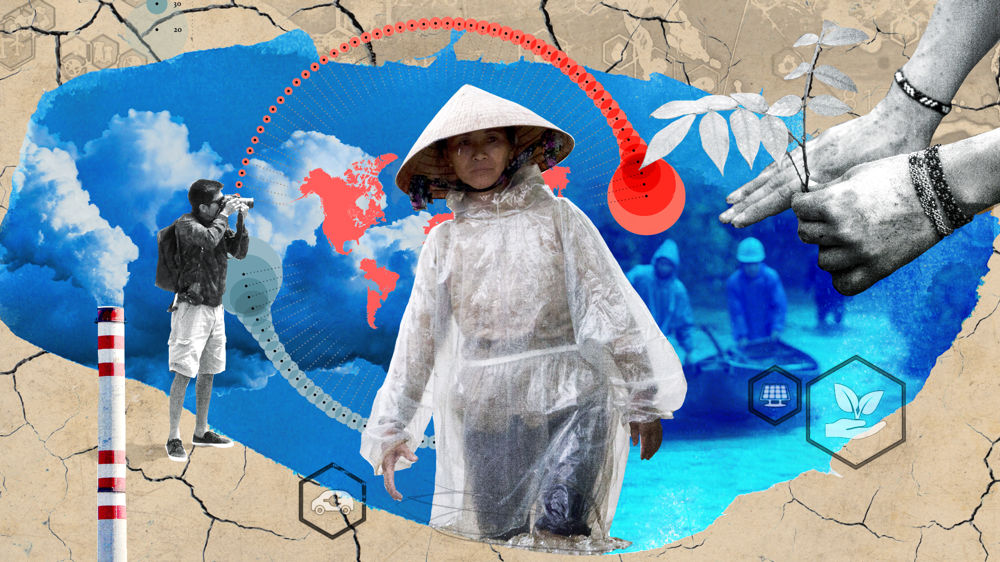
Environmental journalism | Why local matters: Sources
Investigate local environmental stories and their possible links to climate change.
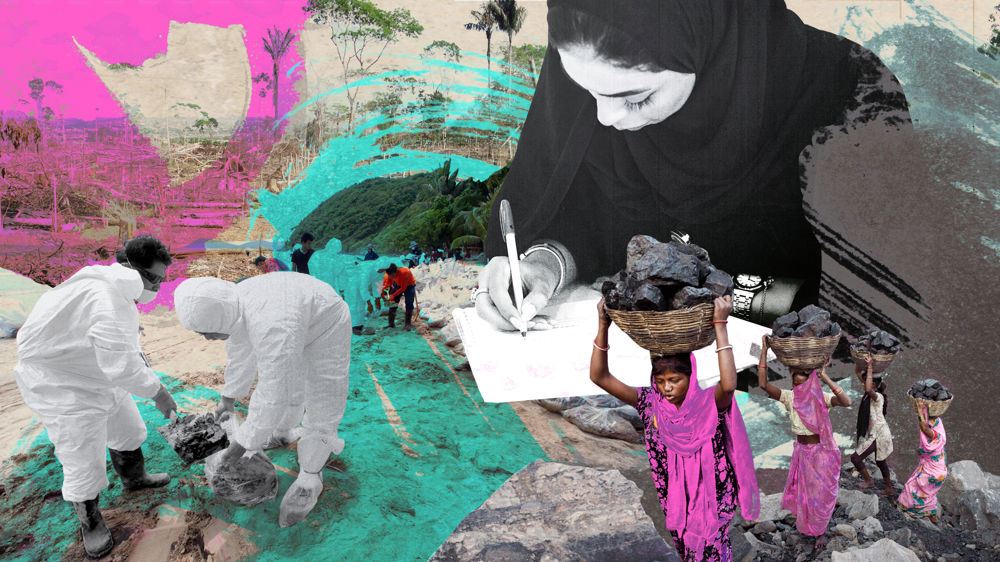
Environmental journalism | Why local matters: Storytelling
Cover environmental stories and address climate change in a way that engages audiences.
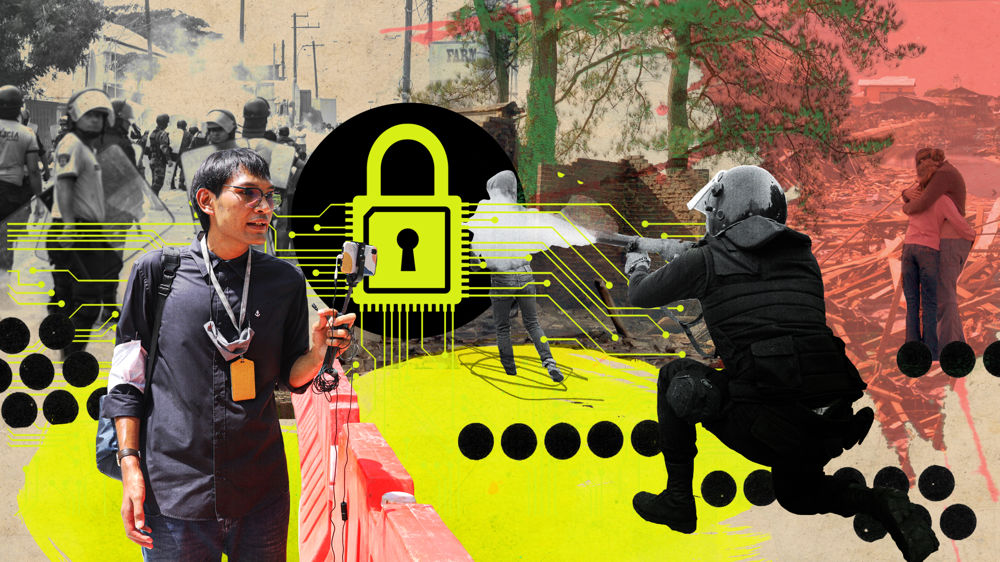
Environmental journalism | Why local matters: Safety
Learn how to stay safe online and when facing physical threats and intimidation.
Arabic عربى
الصحافة البيئية | لماذا المحلية مهمة: المصادر
تحقق من القصص البيئية المحلية ارتباطها المحتمل بتغير المناخ
الصحافة البيئية | لماذا المحلية مهمة: رواية القصص
قم بتغطية القصص البيئية و قدم تغير المناخ بطريقة تجذب الجمهور
الصحافة البيئية | لماذا المحلية مهمة: السلامة والأمن
تعلم كيف تحافظ على سلامتك على الإنترنت وعند مواجهة التهديدات الجسدية والترهيب قريباً
The Arabic language versions of these three free-to-access online courses have been produced in collaboration with the Arab Reporters for Investigative Journalism (ARIJ). ARIJ is the first and leading media organisation in the MENA region dedicated to promoting investigative journalism across the Arab world.
Reporting on the environment


Making the agenda
Listen back to our Twitter Spaces conversation where we discuss how to push the climate crisis up the news agenda in the Middle East.
Environmental journalism
Pitching the environment
Listen back to our Twitter Spaces conversation where we discuss how to persuade editors to publish stories on the climate crisis.
Cutting through the noise
Listen back to our Twitter Spaces conversation, where we cut through the noise on COP26 and the climate emergency to help journalists craft narratives relevant for local audiences.
How to report better
Listen back to our Twitter Spaces conversation, where we discussed insights, tools and resources on becoming a better environmental journalist.
How to... series
Get information, insight and advice from our environmental experts. Also available on our YouTube channel.
"Climate science is a data-rich story and there are amazing scoops and exclusives waiting to be found within data."
There's an environmental link to every story, be it about sport, business or lifestyle. Here's a quick guide to finding it.
The 3 P’s on how to avoid risk and stay safe when reporting on environmental stories.
What elements do you need to inform your story? Check out this sourcing toolkit from Clean Energy Wire.
Getting the message across about climate change. Here are five quick steps to telling an engaging story.
Journalists reporting on the environment are under threat from hackers. Here's how to protect sources and data.
Defamation law is a powerful tool used to try to silence journalists investigating environmental issues. Here's some advice.
Bees play a vital role in sustaining the planet's ecosystem, but how do you make your audience engage with your story?
Online harassment and abuse aimed at silencing journalists is on the increase. Advice on how to tackle the cyberbullies.
There's more...
Follow our dedicated hashtag #TFEnvironment to see how we are committed to the climate crisis debate.
Journalism Now is a global platform offering lifelong learning to journalists and communicators across the world. Browse all of our courses on our main Live Courses page.
See here for our Journalism Now terms and conditions. Course illustrations by Michelle Thompson.
