Strengthening election reporting in Pakistan: Lessons from the Total Turnout Project
Ahead of Pakistan’s 2024 general election, a period marked by political tensions, low voter confidence, and persistent underrepresentation of minority voices in mainstream coverage, Thomson launched The Total Turnout Project.
Many communities, especially in remote or insecure areas of Pakistan, had limited access to balanced election information, while journalists faced both security risks and a lack of specialist training in balanced and inclusive reporting.
Total Turnout directly addressed these gaps by bringing 65 journalists together with the citizens from underrepresented groups to strengthen the link between election reporting and community voice. The media involved created more than 240 election related stories, with nearly 70% directly shaped by issues raised in focus group discussions with citizens. These stories reached audiences in regions such as Tharparkar, in the south-east of Pakistan, to Swat district, areas along the border with Afghanistan and Pakistan’s largest cities, amplifying voices that are rarely heard in the national debate.
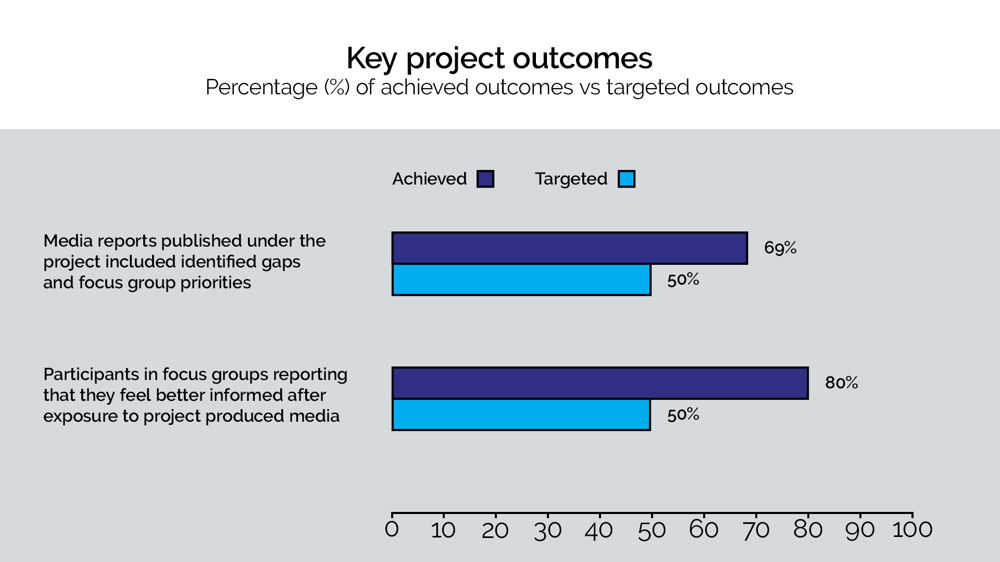
Over 80% of people involved in the project said they felt more informed and seen in the national media, reflecting a measurable gain in trust and civic engagement.
I finally feel like we have a voice in the media.
Beyond the numbers, the project catalysed real change in how media and communities relate. Journalists broke new ground by spotlighting voices long excluded from the national narrative, while citizens, many engaging with reporters for the first time, found the confidence to speak up. “I finally feel like we have a voice in the media,” said one participant after reading an article shaped by his group’s input.
Journalists formed networks, strengthened safety practices where they were under threat and highlighted the importance of partnerships, showing that journalism grounded in community knowledge and supported by practical tools, can build public trust and push democratic dialogue forward, even in challenging environments.
“Communicating these topics is very sensitive in Pakistan,” says project coordinator Amjad Qammar. “Trainers had to maintain a delicate balance to foster an environment where journalists could freely engage with and report on minority issues.”
How our support model works
Over 15 months, Thomson delivered a targeted support programme to strengthen election reporting across Pakistan. This was part of Thomson’s long-term support to journalists and media in Pakistan, much of which has focused on strengthening the voices of women in the political process. The Total Turnout approach combined training, mentorship, and community engagement to ensure media coverage was more ethical, inclusive, and responsive to citizens’ needs.
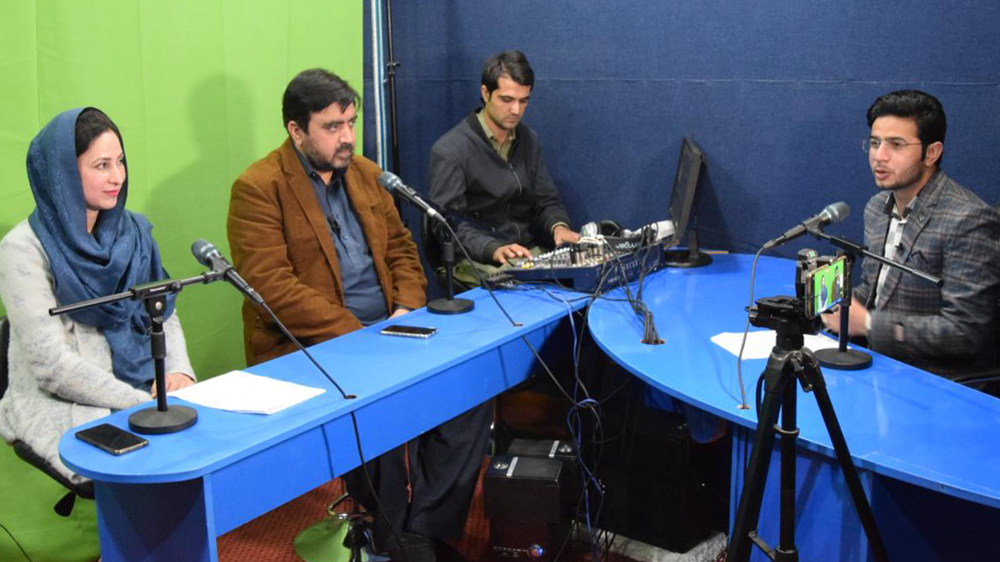
In addition to the focus groups bringing together journalists with the local community, mentoring and virtual newsrooms were set up where senior editors guided journalists in how to integrate public dialogue into their reporting. A group of 65 journalists were also trained in election reporting and safety principles.
By the end of the project, election coverage had become measurably more inclusive, accountable, and grounded in the realities of underrepresented communities. This integrated model generated more representative journalism and helped rebuild public trust in media.
Impact of our support
The Total Turnout initiative resulted in significant outputs and outcomes:
- Marginalised voices engaged: The project convened eight focus group discussions with 95 community participants from minority and marginalised groups across Pakistan. These dialogues not only generated valuable story tips for journalists, but also built trust – many participants reported feeling heard by the media for the first time. By the second round of Focus Groups, 80% of participants felt better informed about the elections and 82% reacted positively to the news content that journalists produced based on their input.
- Inclusive stories published: Journalists produced over 242 election-related news stories, which were published in leading Pakistani outlets including Dawn, The News International, Geo News, Independent Urdu, and others. Importantly, these reports came from both major cities and remote areas like Swat, the border region with Afghanistan and Tharparkar’s desert communities, ensuring a truly inclusive national narrative.
- Content focused on public accountability: The vast majority of journalists’ stories addressed issues critical to underrepresented groups. 69% of the published reports directly reflected the gaps and priorities identified by minority community members during the Focus Groups. Likewise, 75% of the stories centered on themes of accountability, public awareness, citizen rights, and social responsibility – topics vital to marginalised communities’ interests.
- Increased public trust in media: Feedback from both the journalists and the communities indicates growing confidence in the media’s ability to represent diverse concerns. After seeing their issues covered in the media, Focus Group participants expressed greater trust in local news outlets. In surveys, a large majority of community members said they would continue to seek out independent news and share their needs with reporters, feeling that the media is better reflecting their concerns as a result of the project. The Total Turnout project made a meaningful contribution to restoring citizens’ trust in democratic processes and the media’s role in accountability - no small feat in Pakistan’s politically complex and volatile landscape.
What we have learned
Engaging community voices enriches journalism
Input from marginalised groups was essential to producing impactful, relevant stories. Focus groups highlighted that when journalists listen to minority communities, audience trust increases.
Safety and context matter
In Pakistan’s volatile environment, safety and ethical training were critical. Over 85% of journalists reported gaining practical knowledge they will apply in the field.
Peer networks boost resilience
Bringing together journalists from across regions fostered strong professional ties - 94% of journalists valued peer learning, and some began collaborating.
Adaptive partnerships are key
Flexibility proved crucial. Thomson Media changed local partners mid-project and adapted to challenges like internet blackouts and election delays.
Inclusive media drives long-term change
By project’s end, both journalists and citizens showed commitment to continuing their engagement - reporters pledged to keep covering minority issues, and communities committed to staying informed.
“Projects like Total Turnout show that when journalists and communities work together, the result is stronger, more relevant reporting that serves the whole electorate,” said Federica Varalda, Thomson’s Managing Director – Development. “By embedding safety, ethics and inclusion into election coverage, we are not only improving journalism in the short term, we are helping to build lasting trust between media and the people they serve.”
The Total Turnout project was funded by Institut für Auslandsbeziehungen (Institute for Foreign Cultural Relations, ifa) and delivered by Thomson in partnership with Pakistan Press International (PPI) and the Tribal News Network (TNN).